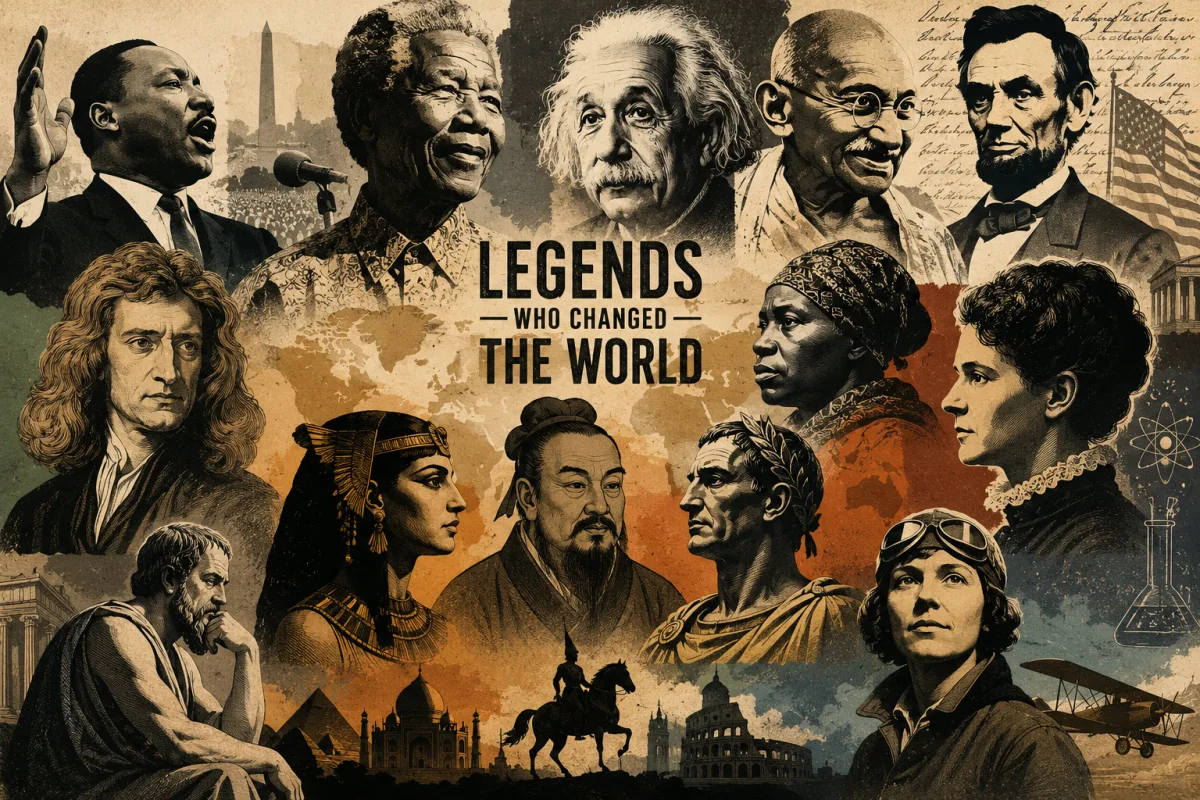
Ever have one of those days where you wonder if a single person can actually make a difference? I get it. The news cycle alone is enough to make anyone feel small. But here's the thing — history is stuffed with proof that one stubborn, determined human being can absolutely bend the arc of the world in a better direction.
That's what this list is about. Not perfect people (nobody's perfect, not even your favorite historical hero), but people who looked at something broken — slavery, disease, injustice, ignorance — and decided, "Not on my watch." So grab a coffee, because we're about to walk through 20 historical figures who changed the world for the better, and I promise you'll walk away with at least one new hero.
Why Studying Influential Figures in History Still Matters
Before we dive in, let's answer the question you're probably already asking: why does any of this matter now? Simple. These stories aren't dusty museum exhibits — they're blueprints. When you're facing your own "impossible" problem, knowing that someone else stared down something bigger and won? That's fuel.
Also, and I say this with love, a lot of us learned history as a list of dates to memorize for a test. That's a shame, because these were real people with fears, failures, and 3 a.m. doubts, just like you and me.
The List: 20 People Who Changed History for the Better
1. Harriet Tubman
She escaped slavery herself and then turned around and went back — again and again — to lead roughly 70 others to freedom through the Underground Railroad. If that's not the definition of courage, I don't know what is.
2. Abraham Lincoln
Say what you want about the messiness of politics (some things never change), but Lincoln steered the U.S. through its darkest hour and signed the Emancipation Proclamation. He literally redefined what the country was supposed to stand for.
3. Frederick Douglass
Born enslaved, he taught himself to read in secret, escaped to freedom, and became one of the most powerful orators and writers America has ever produced. His speeches still land like a gut punch today.
4. Susan B. Anthony
She spent her life fighting for women's right to vote and didn't live to see the 19th Amendment ratified. Sometimes changing the world means planting a tree whose shade you'll never sit in.
5. Mahatma Gandhi
Nonviolent resistance sounds almost too simple to work — until you realize it helped free an entire nation from colonial rule. Gandhi proved that quiet, disciplined stubbornness can outlast an empire.
[Insert image of Gandhi during the Salt March here]
6. Marie Curie
Two Nobel Prizes. Two different sciences (physics and chemistry). One woman working in a shed with barely any equipment, discovering radioactivity and quite literally glowing (not great for her health, but wow, the dedication).
7. Florence Nightingale
The "Lady with the Lamp" didn't just comfort wounded soldiers — she used statistics (yes, math) to prove that sanitation saved lives, laying the groundwork for modern nursing and hospital hygiene.
8. Jonas Salk
He developed the polio vaccine and then refused to patent it. When asked why, he simply said the vaccine belonged to the people. Try finding that kind of selflessness today.
9. Norman Borlaug
You've probably never heard of him, and that's kind of wild given he's credited with saving over a billion lives through his work on high-yield crop varieties during the Green Revolution. Quiet hero energy, right there.
10. Rosa Parks
One decision — staying in her seat on a Montgomery bus — helped ignite the modern Civil Rights Movement. Proof that a single "no" can echo for generations.
11. Martin Luther King Jr.
His "I Have a Dream" speech is one of those pieces of rhetoric that still gives people chills decades later. He turned moral clarity into a movement that reshaped American law and conscience.
12. Desmond Tutu
As a leading voice against apartheid in South Africa, Tutu later chaired the Truth and Reconciliation Commission, showing the world that healing a nation sometimes takes as much courage as fighting for it.
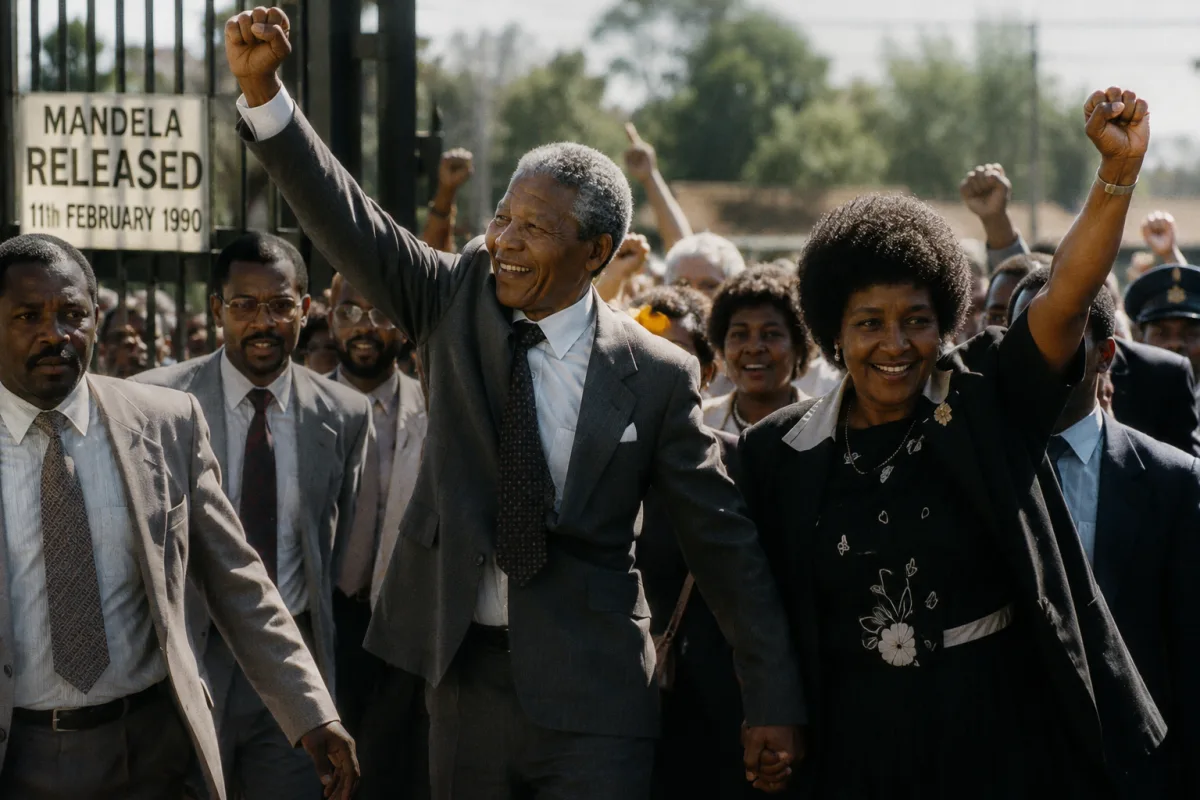
13. Nelson Mandela
27 years in prison, and he came out preaching reconciliation instead of revenge. Mandela didn't just end apartheid — he modeled what grace under unimaginable pressure looks like.
14. Elizabeth Fry
A Quaker reformer who walked into England's horrifying prisons and demanded humane treatment for inmates, especially women. Modern prison reform owes her a serious debt.
15. Jane Addams
Co-founder of Hull House in Chicago, Addams pioneered social work as we know it, fighting for immigrants, workers, and the urban poor at a time when almost nobody in power cared.
16. Mother Teresa
Love her or debate her legacy (historians do), there's no denying she devoted her life to the sick and dying in Calcutta's slums when the rest of the world looked away.
17. Wangari Maathai
The first African woman to win the Nobel Peace Prize, Maathai founded the Green Belt Movement, which planted over 50 million trees and empowered women across Kenya along the way.
18. Dr. Paul Farmer
A modern-day medical missionary of sorts, Farmer built health systems from scratch in some of the poorest corners of Haiti and Rwanda, proving world-class healthcare doesn't have to stop at the border of wealthy nations.
19. Malala Yousafzai
Shot by the Taliban for the crime of wanting an education, she survived and became the youngest Nobel Peace Prize laureate ever, turning her near-death experience into a global movement for girls' education.
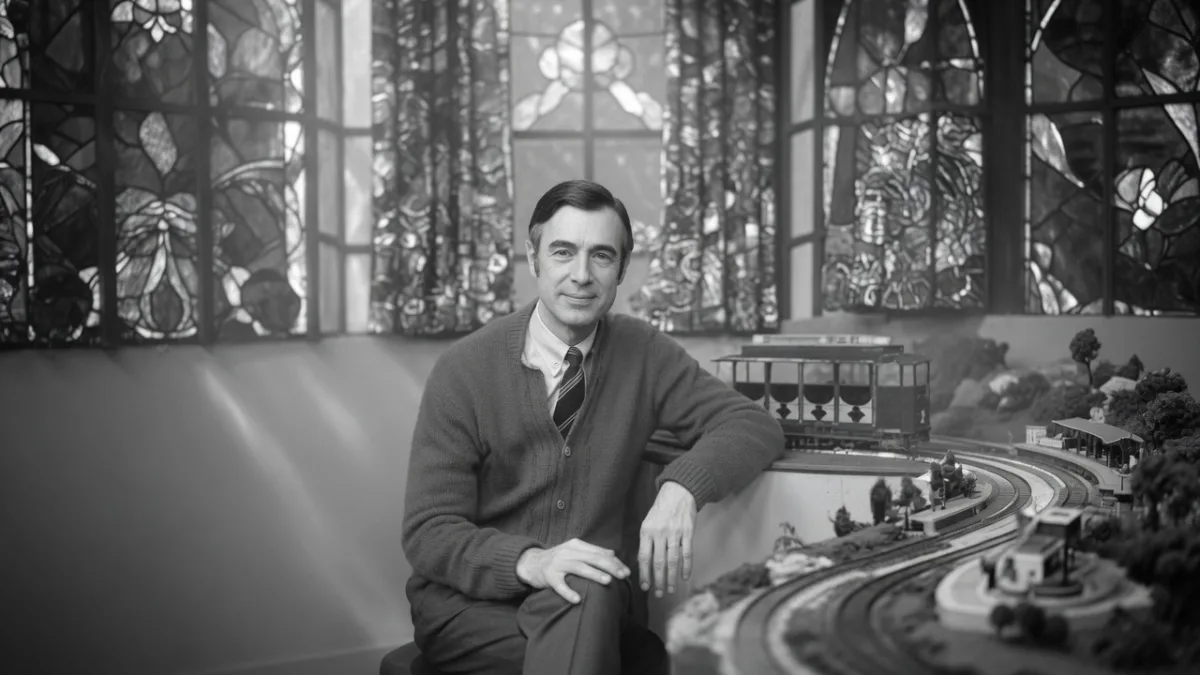
20. Fred Rogers
Yes, really. Mister Rogers spent decades quietly teaching millions of kids about kindness, emotional honesty, and self-worth — proof that changing the world doesn't always require a battlefield. Sometimes it just takes a cardigan and a lot of patience.
A Quick Comparison: These Historical Heroes at a Glance
| Name | Era | Field of Impact | Legacy in One Line |
|---|---|---|---|
| Harriet Tubman | 1820s–1913 | Abolition | Freed dozens through the Underground Railroad |
| Abraham Lincoln | 1809–1865 | Politics | Ended slavery in the U.S. |
| Marie Curie | 1867–1934 | Science | Discovered radioactivity |
| Mahatma Gandhi | 1869–1948 | Civil Rights | Freed India through nonviolence |
| Rosa Parks | 1913–2005 | Civil Rights | Sparked the Montgomery Bus Boycott |
| Nelson Mandela | 1918–2013 | Politics | Ended apartheid |
| Jonas Salk | 1914–1995 | Medicine | Gave away the polio vaccine |
| Malala Yousafzai | 1997–present | Education | Global advocate for girls' education |
| Fred Rogers | 1928–2003 | Media/Education | Taught generations of kids kindness |
| Wangari Maathai | 1940–2011 | Environment | Planted 50+ million trees |
Frequently Asked Questions
Who is considered the most influential person in history? There's no single agreed-upon answer, but figures like Gandhi, Lincoln, and Mandela are consistently named because their actions reshaped entire nations and moral frameworks that still guide us today.
What makes someone a "historical figure who changed the world for the better"? Generally, it's someone whose actions led to lasting positive change — ending injustice, advancing science, saving lives, or shifting how society treats vulnerable people.
Are all historical figures on lists like this without controversy? Honestly, no. Almost every person on this list has been debated by historians in some way. That's normal — real people are complicated, and part of appreciating their impact is understanding the full picture.
Why should I care about influential figures in history today? Because the systems you live in — the rights you have, the vaccines you take, the education you received — were shaped by people who refused to accept "that's just how it is."
Where can I learn more about these historical heroes? Biographies, documentaries, and museum archives are great starting points. Many of these figures also have primary sources (letters, speeches, diaries) available through public libraries and historical societies.
Here's what gets me every time I read about people like this: none of them started out "important." They started out as a girl in Pakistan who liked school, a scientist in a cramped shed, a bus rider who was just tired. What made them historical figures who changed the world for the better wasn't some special gene — it was the choice to act when it would've been so much easier not to.
So here's your call to action: pick one name from this list that you don't already know well, and go read a little more about them tonight. History has a funny way of making the present feel a lot less impossible.